Tips for Creating a Sustainable Smart Home
As we strive for more efficient and environmentally-friendly living, the integration of smart home technology can play a significant role in achieving sustainability. Here are some practical tips that can help you create a smart home that not only optimizes your lifestyle but also reduces your environmental footprint.
Understanding the Basics of a Sustainable Smart Home
A sustainable smart home is designed to minimize energy consumption and reduce waste while enhancing the quality of life for its residents. According to research by the International Energy Agency, homes equipped with smart devices can reduce energy usage by up to 30% in many cases. This reduction is typically achieved through automation, real-time monitoring, and improved energy management.

"Smart home technology can help consumers make informed decisions, leading to energy savings and lower utility bills." - Energy Efficiency Canada
Key Features to Consider
When planning your sustainable smart home, consider incorporating the following features:
- Smart Thermostats: These devices learn your heating and cooling preferences over time and adjust accordingly. Many users report savings of 10-20% on their heating and cooling bills.
- Energy Monitoring Systems: These systems provide real-time insights into your energy consumption, helping you identify peak usage times and reduce energy waste. Research indicates that users who closely monitor their energy use often implement changes that lead to significant savings.
- Smart Lighting: LED smart bulbs can be programmed to turn off when not in use or to adjust based on natural light levels, contributing to further energy efficiency.
Implementing Automation and Control
Automation is key to a truly sustainable smart home. Here’s how you can implement it effectively:
- Schedule Devices: Many smart devices allow you to set schedules for usage, which means you can ensure that appliances are only running when needed. For example, running your dishwasher during off-peak hours can save on energy costs.
- Use Sensors: Motion sensors can help automate lighting and heating, ensuring that energy is not wasted in empty rooms.
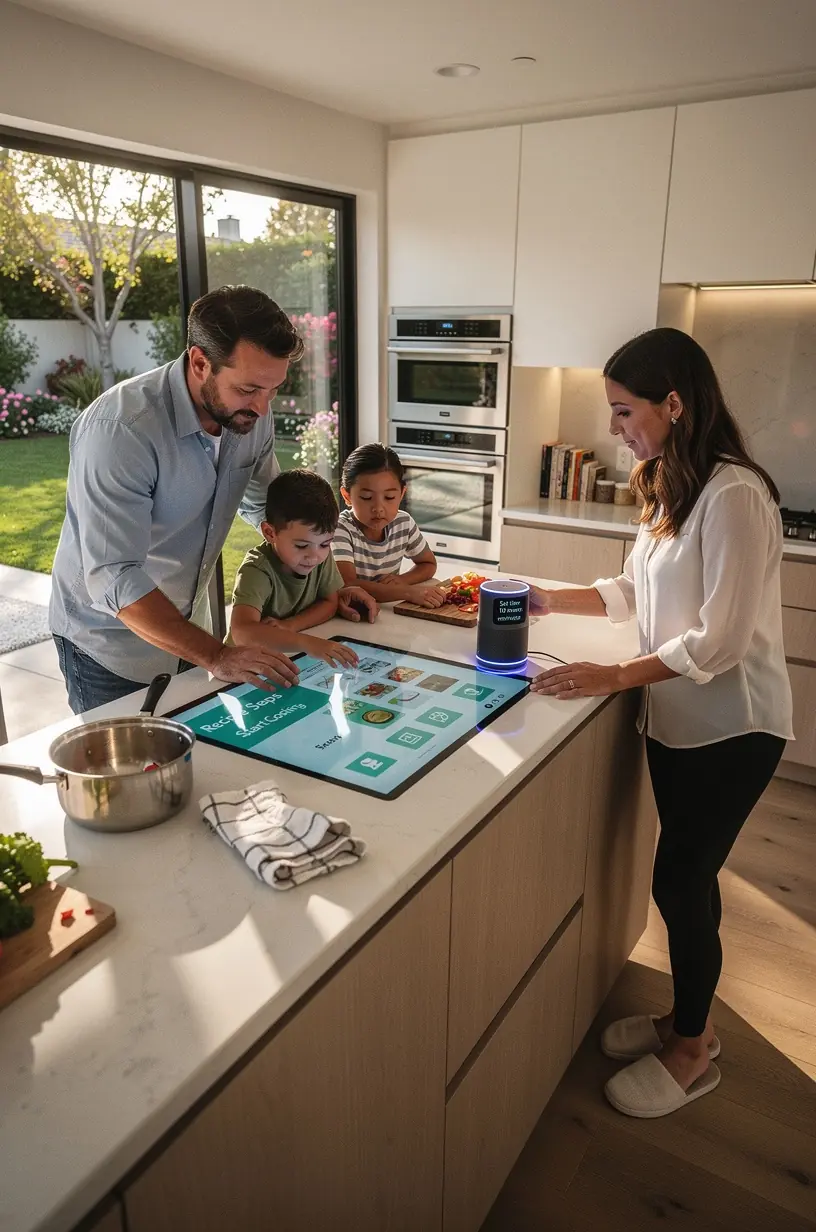
- Integrate with Smart Assistants: Connecting your devices to a smart assistant can provide voice control and centralized management, which simplifies operation and enhances user experience.
Acknowledge Limitations and Set Realistic Expectations
While creating a sustainable smart home offers many benefits, it is important to acknowledge some limitations. Achieving a fully optimized system typically requires an initial investment in technology and may involve a learning curve as you familiarize yourself with new devices.
Moreover, not all smart home solutions are appropriate for every situation. For instance, older homes might require additional upgrades to support smart technology effectively. Therefore, it is crucial to assess your current infrastructure before diving into smart home enhancements.
Conclusion
Building a sustainable smart home can be a rewarding journey that not only enhances your lifestyle but also contributes to a healthier planet. By understanding the principles behind smart home technology and applying practical steps, you can achieve noticeable improvements in both comfort and energy efficiency. Remember, the path to sustainability is often gradual, and making small, consistent changes can lead to significant benefits over time.
Learn More