
Understanding Smart Home Automation Protocols
As the world embraces smart technology, understanding the protocols that govern smart home automation becomes increasingly important. This article will explore various protocols, their functionalities, and how they contribute to creating an efficient smart home environment.
Understanding the Basics
Smart home automation relies on several communication protocols that allow various devices to speak to each other. These protocols typically define how devices connect, communicate, and interact within a smart home ecosystem. According to industry experts, familiarizing oneself with these protocols is crucial for optimizing both functionality and compatibility.
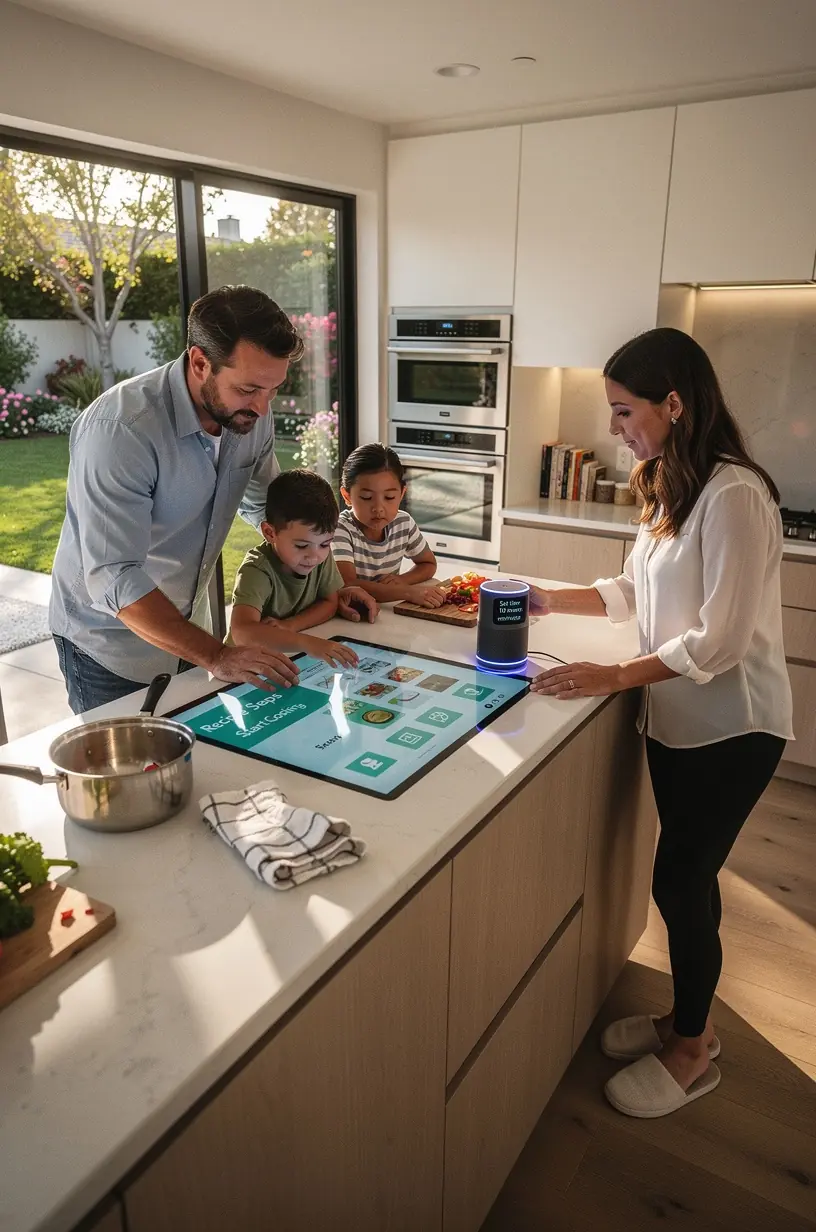
"A well-integrated smart home system can enhance energy efficiency and improve user convenience when implemented correctly."
Common Smart Home Automation Protocols
There are several prominent protocols in the realm of smart home automation. Here are a few that many users report as effective:
- Wi-Fi: A widely used protocol that allows devices to connect to the internet, enabling remote control and monitoring. However, it often requires a stable connection and can lead to network congestion if many devices are connected.
- Bluetooth: Typically used for short-range communication, Bluetooth is effective for connecting devices like smart locks and speakers. It may have limitations in terms of range and can require manual pairing.
- Zigbee: An industry standard for low-power devices, Zigbee is known for its mesh networking capability, which helps extend the range of communication. This is particularly useful in larger homes where devices may be far apart.
- Z-Wave: Similar to Zigbee, Z-Wave operates on a mesh network but is often favored for its reliable performance in home automation scenarios. It can be a suitable choice for homeowners looking to control devices like lights and thermostats efficiently.
- Thread: A newer protocol that focuses on low-power and secure networking, Thread is designed to interconnect smart devices without relying on a hub, making it a promising option for future smart homes.
Choosing the Right Protocol for Your Smart Home
Choosing the appropriate protocol for your smart home typically involves considering compatibility, range, power consumption, and use cases. Here are some guidelines to help:
- Assess Compatibility: Before purchasing devices, check if they support your preferred protocol. Many devices are designed to work within specific ecosystems, which can limit their adaptability.
- Evaluate Range and Coverage: Consider the size of your home and the placement of devices. Protocols like Zigbee and Z-Wave may offer better coverage in larger homes due to their mesh networking features.
- Understand Power Requirements: Some protocols, like Bluetooth, may consume more power than others. It’s essential to choose devices that match your energy efficiency goals, particularly if battery-operated devices are in use.
Conclusion
Understanding smart home automation protocols is a foundational step towards creating a more efficient and user-friendly living environment. While there are various options available, selecting the right protocol involves considering compatibility, range, and power consumption. With careful planning and informed choices, homeowners can enjoy the benefits of automation, which may include enhanced convenience, security, and energy efficiency.
Learn More