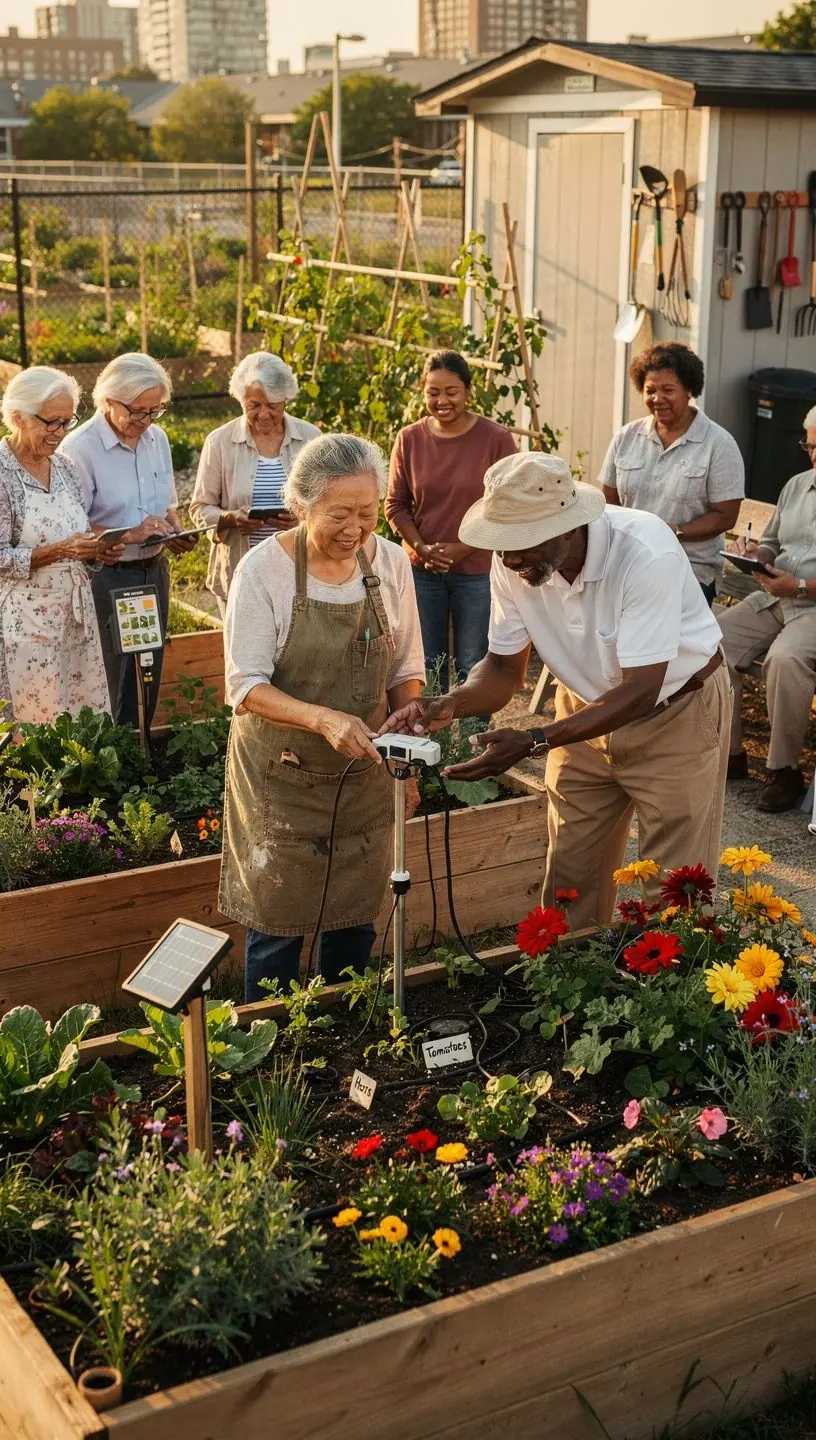
A Practical Guide to Building a Smart Garden
Creating a smart garden can enhance your gardening experience significantly. This guide will provide you with practical insights, focusing on automation, tools, and lifestyle optimization to cultivate a thriving garden.
Understanding the Basics of Smart Gardening
Smart gardening integrates technology to optimize plant care and resource management. According to research, using smart systems can improve plant growth by 20-30% compared to traditional methods. The idea is to use sensors, automated watering systems, and scheduling tools to create an environment that maximizes plant health and minimizes water usage.

"Smart gardening often leads to reduced water consumption and increased crop yields, especially in urban settings." - Industry Expert
Essential Tools for Your Smart Garden
To start building your smart garden, consider the following tools:
- Soil Moisture Sensors: These devices measure the moisture level in the soil, allowing for timely watering. Many users report that this can help reduce overwatering, which is critical for plant health.
- Automated Watering Systems: These systems can be programmed to water your plants at specific intervals. Research indicates that automation can save time and reduce water waste.
- Smart Plant Monitors: These monitors track various factors such as light, humidity, and temperature. They often connect to your smartphone, providing real-time data to help manage your garden effectively.
Steps to Implement Your Smart Garden
Building a smart garden typically involves the following steps:
- Assess Your Space: Evaluate the area you plan to convert. This includes considering sunlight exposure and plant types that are suitable for your climate.
- Choose Your Tools: Based on your assessment, select the appropriate smart gardening tools. It's important to pick tools that align with your gardening goals.
- Set Up Automation: Install your sensors and watering systems according to the manufacturer's instructions. Many systems can integrate with your home network for easier management.
- Monitor and Adjust: Regularly check the performance of your smart tools. Adjust settings based on the data provided by your sensors to ensure optimal plant care. This process may take 2-4 weeks to fine-tune.
Challenges and Considerations
While smart gardening offers numerous benefits, there are some challenges to be aware of:
- Initial Setup Time: Establishing a smart garden typically requires significant setup time and a learning curve, particularly if you are new to gardening or technology.
- Technology Dependence: Smart gardens rely on technology, which can sometimes malfunction. It's essential to have backup plans for critical systems, such as manual watering options.
- Cost Factors: Investing in smart gardening tools can be costly. Therefore, it's advisable to start with essential tools and gradually expand as needed.
Conclusion
Building a smart garden can significantly enhance your gardening experience, especially in urban environments. By utilizing technology effectively, you can optimize your plant care routine while minimizing resource waste. Remember, the transition to a smart garden involves effort, planning, and a willingness to adapt based on the feedback from your gardening tools. With time and dedication, you may enjoy a thriving garden that not only looks beautiful but also supports a sustainable lifestyle.
Learn More